
Mar 31 , 2026
Snazzyway vs Holding Inventory: Which Is Safer for Beginners?
Snazzyway vs Holding Inventory: Which Is Safer for Beginners?
Q: Is dropshipping with Snazzyway safer than holding inventory for beginners?
A: Yes, for most beginners, using a reliable dropshipping supplier like Snazzyway is safer because it reduces upfront investment, minimizes risk, and removes the burden of managing stock, logistics, and warehousing.
Quick Summary
Starting an ecommerce business can be exciting—but also risky, especially when it comes to choosing between holding inventory or dropshipping. Beginners often struggle with limited budgets, uncertain demand, and lack of operational experience.
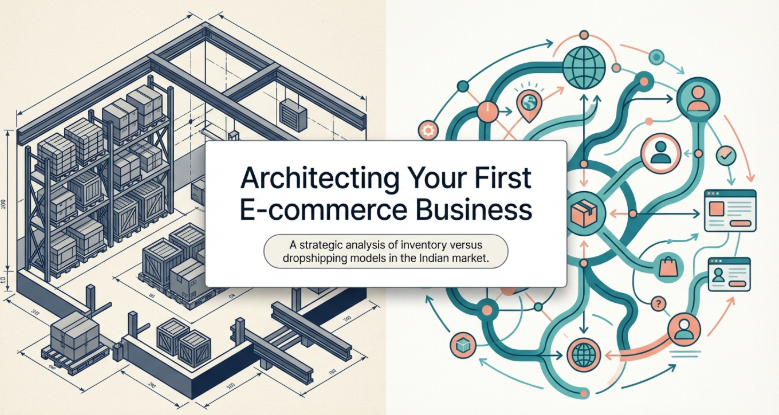
In this guide, we compare Snazzyway dropshipping vs holding inventory to help you understand which model is safer and more scalable. You’ll learn about costs, risks, profit margins, logistics, and long-term growth potential.
If you’re a beginner, this article will give you a clear roadmap to start safely without making costly mistakes.
Introduction: The Beginner’s Dilemma

Many new ecommerce founders face a critical decision:
👉 Should you invest money upfront and hold inventory?
👉 Or should you start with a dropshipping model?
At first glance, holding inventory seems more “professional” and profitable. But in reality, it comes with risks like unsold stock, storage costs, and cash flow issues.
On the other hand, dropshipping—especially with a reliable supplier—offers a low-risk entry into ecommerce.
This is where platforms like Snazzyway stand out. As a manufacturer-backed dropshipping supplier in India, it simplifies operations for beginners who want to focus on sales rather than logistics.
Understanding the Two Models

What Is Holding Inventory?
Holding inventory means:
- You purchase products in bulk
- Store them in a warehouse or home
- Pack and ship orders yourself
Key Characteristics:
- High upfront investment
- Full control over branding
- Higher profit margins (in some cases)
- Risk of unsold stock
What Is Snazzyway Dropshipping?

👉 If you want a deeper understanding of how this system works in real-world ecommerce, you can explore this detailed breakdown of the Snazzyway dropshipping business model.
Dropshipping with Snazzyway works like this:
- You list products on your store
- Customer places an order
- Snazzyway manufactures, packs, and ships the product
Key Characteristics:
- No inventory needed
- Low startup cost
- Focus on marketing and sales
- Lower operational complexity
Cost Comparison: Which Is More Beginner-Friendly?
| Factor | Holding Inventory | Snazzyway Dropshipping |
|---|---|---|
| Initial Investment | High (₹50,000–₹5,00,000+) | Low (₹0–₹10,000) |
| Storage Cost | Yes | No |
| Unsold Stock Risk | High | None |
| Cash Flow Pressure | High | Low |
| Scalability | Moderate | High |
👉 Insight: Beginners often fail due to cash flow issues—not lack of sales. Dropshipping removes this major risk.
Risk Analysis: What Can Go Wrong?
Risks of Holding Inventory
- ❌ Unsold products = dead investment
- ❌ Storage and warehousing costs
- ❌ Inventory mismanagement
- ❌ Slow-moving stock reduces cash flow
- ❌ Difficult to pivot if product fails
Risks of Dropshipping (With Poor Suppliers)
- ❌ Poor product quality
- ❌ Delayed shipping
- ❌ High return rates
- ❌ Lack of branding
👉 This is why choosing the right supplier matters.
Why Snazzyway Reduces Dropshipping Risks
👉 In fact, long-term seller experiences highlight consistent performance—this Snazzyway dropshipping review after 4 years gives real insights into quality, shipping, and reliability.
Unlike generic suppliers, Snazzyway solves most dropshipping issues:
- Manufacturer itself (not a middleman)
- 12+ years of experience (since 2014 online)
- Trusted by 400+ sellers
- Focus on women’s clothing & lingerie niche
- Better quality control and consistency
👉 This makes it significantly safer for beginners compared to random suppliers.
👉 This is especially important in fashion ecommerce—here’s a list of women’s clothing dropshipping suppliers used by fashion brands in India to understand the competitive landscape.
Profit Margins: Inventory vs Dropshipping
| Factor | Holding Inventory | Snazzyway |
|---|---|---|
| Product Cost | Lower (bulk buying) | Slightly higher |
| Shipping Cost | You manage | Included/optimized |
| Profit Margin | High (20–50%) | Moderate (15–35%) |
| Risk Adjusted Profit | Low | High |
👉 Key Insight: Higher margins don’t always mean higher profits. Risk-adjusted profit is what matters.
Operational Complexity

Holding Inventory
- Manage stock levels
- Handle packaging
- Coordinate shipping
- Deal with returns manually
Snazzyway Dropshipping
- Focus on store & marketing
- No warehouse needed
- No packing or shipping
- Automated order fulfillment
👉 Beginners benefit from simplicity, not complexity.
Scalability: Which Model Grows Faster?
👉 Choosing the right niche is equally important—here are some of the best dropshipping niches in India for 2026 to scale faster.
Holding Inventory
- Limited by capital
- Requires warehouse expansion
- Needs staff as you grow
Snazzyway Dropshipping
- Scale instantly
- No stock limitations
- Add products easily
- Expand without infrastructure
👉 This makes dropshipping ideal for testing and scaling quickly.
Real-World Example
Imagine two beginners:
Seller A (Inventory Model)
- Invests ₹1,00,000 in stock
- Sells only 50% of products
- Remaining stock = loss
Seller B (Snazzyway Dropshipping)
- Starts with ₹5,000
- Tests 10 products
- Scales only winning products
👉 Result: Seller B grows faster with lower risk.
Pros and Cons
Holding Inventory
Pros:
- Higher margins
- Full branding control
- Faster shipping (if managed well)
Cons:
- High risk
- Requires capital
- Operational complexity
- Storage issues
Snazzyway Dropshipping
Pros:
- Low investment
- No inventory risk
- Easy to start
- Scalable
- Focus on growth
Cons:
- Slightly lower margins
- Dependence on supplier
👉 For a more detailed and unbiased breakdown, check this complete guide on the pros and cons of using Snazzyway.
Our Recommendation

👉 If you're comparing options before starting, this clothing dropshipping supplier comparison in India (2026) can help you make a better decision.
If you are a beginner, Snazzyway dropshipping is the safer and smarter choice.
Why?
- You can start with minimal risk
- No need to lock capital in stock
- You can test products quickly
- You avoid operational headaches
Once you validate winning products, you can always move to a hybrid model later.
👉 Start lean, then scale smart.
Our Insight (Expert Opinion)
From an industry perspective, most beginners fail not because of lack of effort—but because they start with the wrong model.
Holding inventory works best for:
- Experienced sellers
- Established brands
- Businesses with strong demand data
But for beginners:
👉 Flexibility > Control
👉 Cash flow > Margins
👉 Speed > Perfection
👉 Many sellers eventually explore hybrid models, and choosing the right partner becomes critical—this guide on the best wholesale clothing dropshipping supplier in India explains what to look for.
Platforms like Snazzyway are shaping the future of ecommerce in India by combining manufacturing + dropshipping, which gives sellers the best of both worlds.
When Should You Consider Holding Inventory?
Even though dropshipping is safer, inventory makes sense when:
- You have proven winning products
- You want private labeling
- You have consistent monthly sales
- You want faster delivery control
👉 Start with dropshipping → Move to inventory later.
Final Verdict
For beginners entering ecommerce in India:
👉 Snazzyway Dropshipping = Low Risk + High Flexibility
👉 Holding Inventory = High Risk + High Commitment
If your goal is to start safely, learn fast, and scale smart, dropshipping with a reliable supplier is the better path.
FAQs
1. Is dropshipping really safer than holding inventory?
Yes, because it eliminates upfront investment and unsold stock risk.
2. Can I make good profits with Snazzyway?
Yes, especially when you focus on high-demand products and strong marketing.
3. Is Snazzyway suitable for beginners?
Yes, it is designed for beginners and scaling sellers.
4. When should I switch to inventory?
After validating products and achieving consistent sales.
5. What is the biggest mistake beginners make?
Investing heavily in inventory without testing demand.
6. Does dropshipping limit growth?
No, with the right supplier, it can scale faster than inventory models.
7. Is product quality an issue in dropshipping?
It can be—but working with a manufacturer like Snazzyway reduces this risk.
0 Comments
