
Deepica Mutyala – Live Tinted: From a Viral Beauty Video to Building an Inclusive Beauty Brand in America
How one makeup tutorial exposed a gap in the beauty industry—and how its creator turned that conversation into a beauty business built around representation, community and products for a wider range o
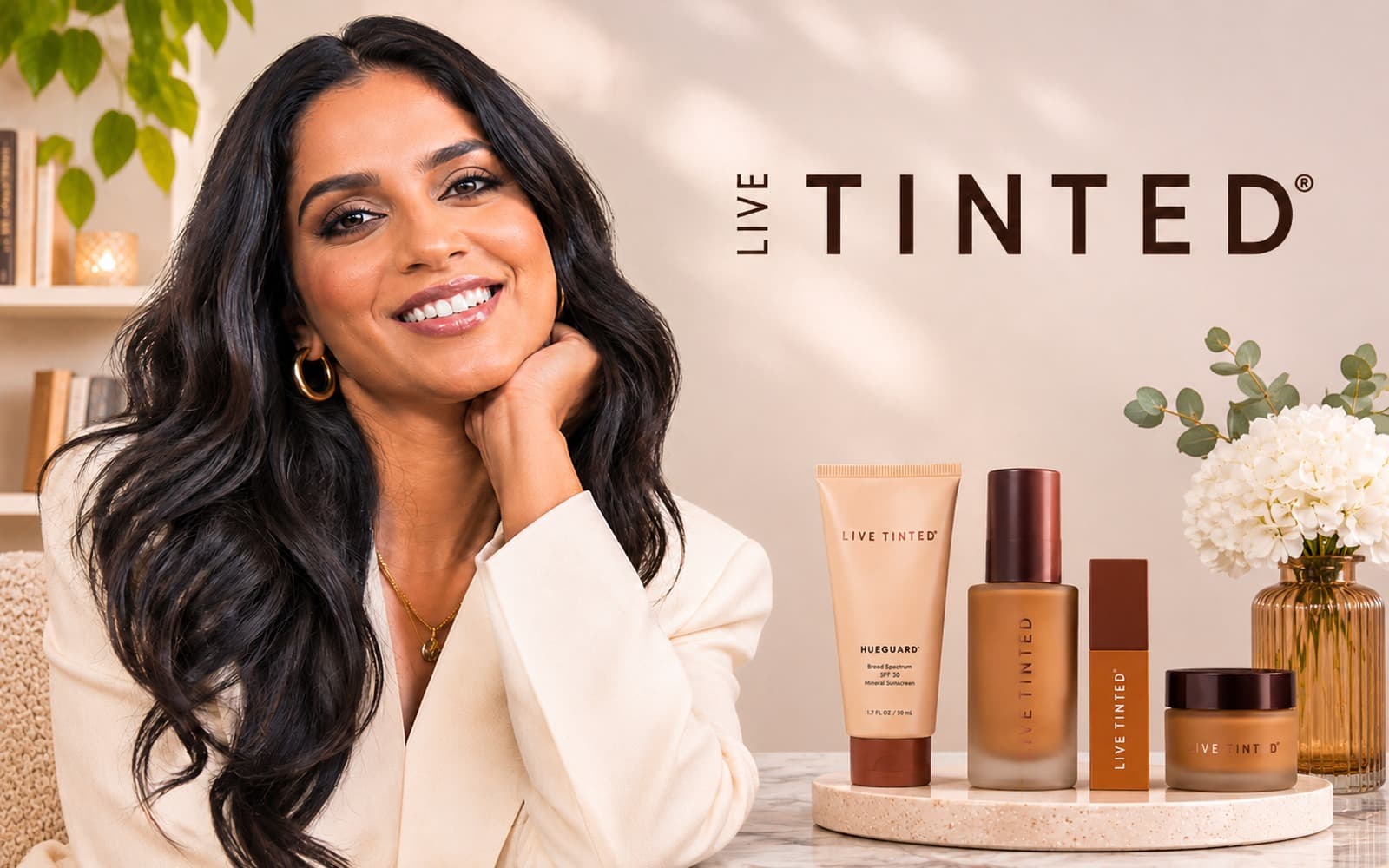
In this story14 sections
- 1.1. Growing up Indian-American: The experience behind the idea
- 2.2. The 2015 video that changed everything
- 3.3. From a social media audience to a beauty community
- 4.4. HUESTICK: Turning a beauty hack into a commercial product
- 5.5. Building products around real consumer needs
- 6.6. Entering Ulta Beauty: A major retail milestone
- 7.7. Raising capital and scaling the business
- 8.8. A leadership transition: Preparing for the next stage
- 9.9. What makes Live Tinted's business model distinctive?
- 10.10. Challenges behind the success
- 11.11. Recognition and influence beyond the brand
- 12.12. The future of Live Tinted
- 13.13. Lessons entrepreneurs can learn from Deepica Mutyala
- 14.Conclusion: More than a viral beauty tutorial
In 2015, Deepica Mutyala uploaded a beauty tutorial that would change the direction of her career. In the video, she demonstrated an unconventional technique: using red lipstick to colour-correct dark circles under her eyes.
The idea was simple, practical and immediately relatable to many viewers. The video went viral, eventually attracting millions of views and bringing attention to a problem that had long existed in mainstream beauty: many products, shades and tutorials were not designed with deeper skin tones and the concerns of people of colour in mind.
But Mutyala saw something beyond internet attention. The response suggested that people were looking for more than another makeup tip. They wanted beauty conversations in which their experiences were understood and their skin tones were represented.
That insight became the foundation of Live Tinted, a beauty company created to put underrepresented consumers at the centre of product development and brand storytelling.
Her journey is an example of how a creator can turn an online audience into a business—but also a reminder that a viral moment alone does not build a lasting company. Product development, customer trust, capital, retail relationships and leadership decisions all matter.
1. Growing up Indian-American: The experience behind the idea
Deepica Mutyala grew up in Texas in an Indian-American family. Her relationship with beauty was shaped by an experience familiar to many people whose skin tones and cultural backgrounds were not consistently reflected in mainstream advertising and product ranges.
She loved beauty, but often struggled to find products and advice that addressed her needs. The issue was not simply that a particular shade was missing from a display. It was also about visibility: who appeared in campaigns, whose concerns were discussed, and whose experiences were treated as the industry standard.
Mutyala later described the feeling of growing up without seeing a beauty brand created with someone like her in mind. That personal experience became an important part of her entrepreneurial motivation.
Her education also gave her a business foundation. She studied marketing at the University of Texas at Austin's McCombs School of Business and gained early exposure to the beauty industry through a L'Oréal Brandstorm competition and subsequent internship in New York.
Before building Live Tinted, she worked on the business side of beauty, including at Birchbox. These experiences helped her understand how brands develop products, communicate with consumers and compete in a crowded market.
2. The 2015 video that changed everything
The turning point came through a YouTube beauty tutorial.
In her second video, Mutyala showed viewers how she used red lipstick to neutralise the appearance of dark circles under her eyes. The technique attracted attention because it challenged conventional beauty advice and demonstrated a practical solution for a concern that many people with deeper skin tones recognised.
The video reportedly accumulated nearly 11 million views, introducing her to a much larger audience and creating opportunities to work as a beauty expert and content creator.
However, its most important impact was the conversation it started.
Viewers began sharing their own experiences: difficulty finding suitable concealers, products that looked ashy or grey on their skin, limited shade options and a lack of representation in beauty campaigns. What initially looked like a successful tutorial was revealing a broader consumer problem.
Mutyala had discovered an audience with shared frustrations—and a market that mainstream beauty companies had not always served well.
The opportunity was not to sell red lipstick. It was to understand why so many consumers needed to improvise in the first place.
3. From a social media audience to a beauty community
In January 2018, Mutyala founded Live Tinted, initially as a digital community rather than a conventional cosmetics company.
The platform created space for conversations about beauty, culture, identity, colourism and representation. Instead of beginning with a large product catalogue, the brand began by listening.
This approach helped Mutyala understand that the demand extended beyond one particular demographic or one makeup concern. People wanted products that worked across a wider spectrum of complexions and undertones, alongside a brand that acknowledged their experiences.
The community also helped the business identify product opportunities. Feedback about dark circles, hyperpigmentation and dark spots influenced the direction of its first product.
This was an important strategic decision: Live Tinted did not simply use social media to promote products after they were developed. It used the community to help identify what should be developed in the first place.
The brand's broader message evolved into the idea that every shade has a story. Its ambition was to centre people who had often been overlooked without limiting the brand to a single skin tone or cultural group.
4. HUESTICK: Turning a beauty hack into a commercial product
In May 2019, Live Tinted moved from community platform to product-led beauty business with the launch of HUESTICK.
The product took inspiration from Mutyala's viral tutorial but developed the idea into a purpose-designed multi-use stick. It was created to work as a colour corrector and could also be used on the eyes, lips and cheeks.
Its purpose was particularly relevant to consumers dealing with dark circles, dark spots and hyperpigmentation. Rather than asking customers to adapt products that had not been designed with their needs in mind, Live Tinted aimed to create a product around those needs.
The launch received a strong response. The HUESTICK reportedly sold out quickly and generated a waiting list of more than 10,000 customers.
The product's reception offered an early commercial signal: the community was not just interested in discussing inclusion. It was willing to buy products that addressed problems it had repeatedly encountered.
HUESTICK also gave Live Tinted a recognisable hero product—an important asset for a young beauty company trying to establish itself in a competitive market.
5. Building products around real consumer needs
Live Tinted's product strategy developed around a central principle: beauty products should work across skin tones and undertones, rather than treating inclusivity as a marketing message added after formulation.
The brand expanded beyond its original multi-stick into complexion, colour cosmetics and skincare products. Its portfolio has included products such as:
-
HUESTICK: A multi-use colour corrector for eyes, lips and cheeks.
-
HUEGUARD: A sunscreen and primer concept developed to address the white-cast problem experienced by many consumers with deeper skin tones.
-
SUPERHUE: A targeted skincare product positioned around the appearance of dark spots and uneven tone.
-
Hueguard Skin Tint: A complexion product combining skin tint coverage with sun protection.
The business has increasingly connected two areas that are often treated separately: makeup and skincare. Its positioning around complexion and sun protection reflects the original problem that inspired the brand—products need to work with different skin tones, not simply offer a wider shade label.
Importantly, this product direction was not based only on the founder's personal experience. Mutyala has described using feedback from the Live Tinted community to understand the concerns consumers wanted products to address. In one interview, she said that 98% of the community surveyed identified hyperpigmentation and dark circles as leading concerns.
6. Entering Ulta Beauty: A major retail milestone
For a digital-first beauty company, moving into established retail is a significant test. Online engagement can create awareness, but physical retail brings different demands: inventory planning, consistent product performance, merchandising, retailer relationships and the ability to serve customers at scale.
Live Tinted entered Ulta Beauty through its emerging-brand programme in 2021. It was widely reported as the first South Asian-founded makeup brand to launch at the retailer.
The milestone mattered for more than visibility. It placed a brand built around a community-led approach in front of a much larger beauty-shopping audience.
Ulta's retail platform also gave Live Tinted an opportunity to demonstrate that its products could compete beyond its original social media following. The company's subsequent growth at the retailer became a recurring part of its expansion story.
By 2023, the brand had raised a $10 million Series A round led by Monogram Capital Partners. The investment brought reported total funding to approximately $15 million and was intended to support retail growth, product innovation and team expansion.
7. Raising capital and scaling the business
Building a beauty brand requires more than a compelling mission and a popular product. Product development, manufacturing, inventory, marketing, distribution and retail expansion all require capital.
Live Tinted's fundraising journey reflected the growing investor interest in founder-led beauty companies with a clear consumer proposition.
Its early backers included beauty entrepreneur Bobbi Brown, NYX Cosmetics founder Toni Ko, Birchbox co-founder Hayley Barna, ClassPass founder Payal Kadakia and other investors.
In 2023, Monogram Capital Partners led a $10 million Series A investment, with participation from Unilever Ventures and other investors. The round brought the company's reported funding total to around $15 million.
A further funding round was announced in January 2026. It was led by Curate Capital, with participation from L'Oréal's BOLD venture arm and existing investors including Monogram Capital and Unilever Ventures. The financial terms were not publicly disclosed. Reports said the investment valued the business at more than twice its 2023 Series A valuation.
The 2026 investment was a notable development because it brought the backing of a major global beauty group alongside existing venture investors. It also signalled that Live Tinted's opportunity was no longer limited to its original viral-product story. The business was being positioned for its next phase of growth, particularly in complexion products and sun protection.
8. A leadership transition: Preparing for the next stage
One of the most important developments in Live Tinted's recent history came in June 2026.
After leading the company as CEO from its founding, Deepica Mutyala moved out of the chief executive role. Sherry Jhawar, an experienced beauty and marketing executive and former BeautyBio president, took over as CEO.
Mutyala remained closely involved as founder and visionary, with a board role and a focus on the brand's larger creative direction, marketing and product development.
The transition was presented as a decision aligned with the company's growth stage. Mutyala explained that the business had moved from its early beginnings to a presence across thousands of retail doors and needed experienced leadership to help take it further.
This is an important part of the founder story. Entrepreneurs are often expected to lead every stage of a company themselves. But the skills needed to create a brand from scratch are not always identical to those required to manage a larger retail business.
Bringing in a new CEO can allow a founder to concentrate on the areas where their vision and experience have the greatest value, while an experienced operator focuses on execution and scale.
9. What makes Live Tinted's business model distinctive?
Live Tinted's growth can be understood through several connected business decisions.
1. Community before product
The company began by building conversations around beauty, identity and representation. This gave it a direct way to understand customer frustrations before committing to product development.
2. A clear consumer problem
The original HUESTICK was linked to a recognisable issue: dark circles and hyperpigmentation, particularly for consumers who found conventional colour-correction products unsuitable.
3. A focused brand position
Live Tinted placed inclusivity at the centre of its identity. It did not treat a broad shade range as a seasonal campaign or a secondary product feature.
4. Products with multiple uses
Multi-use products such as HUESTICK helped communicate the brand's practical value. The wider portfolio then developed into complexion and sun-protection categories.
5. Digital credibility and retail distribution
The founder's online presence helped build awareness, while the Ulta relationship gave the business access to established retail distribution.
6. Strategic capital and professional leadership
Funding supported expansion, and the 2026 CEO appointment reflected the need for a different operating structure as the company matured.
Together, these decisions helped Live Tinted move beyond the attention generated by one viral video and build a more developed beauty business.
10. Challenges behind the success
Live Tinted's story is not simply a story of overnight success. The founder has spoken about the difficulty of raising capital, particularly as a woman of colour building a company around an underserved consumer group.
There were also broader business challenges.
-
Turning attention into repeat purchases: A viral video can create awareness, but a beauty company needs products customers trust and buy again.
-
Competing in a crowded category: Established beauty companies have extensive distribution, marketing budgets and product-development resources.
-
Delivering genuine inclusivity: A brand must ensure its formulations, shades, product claims and customer experience support the mission it communicates.
-
Managing retail growth: Supplying major retailers requires operational discipline, reliable inventory and the ability to maintain product availability.
-
Evolving beyond the founder: As a company grows, leadership responsibilities and organisational needs change.
Mutyala's reflections in interviews also show the personal pressure that can come with being both a public-facing founder and a representative of a wider community. In a 2025 Vogue India interview, she discussed questioning hustle culture, the expectations attached to the “girlboss” label and the boundaries between public visibility and private life.
11. Recognition and influence beyond the brand
Mutyala's influence has extended beyond the products sold by Live Tinted.
In 2022, she was recognised by TIME as a Next Generation Leader. Her work has also involved partnerships with major beauty and consumer companies, including Estée Lauder, LVMH and Unilever.
Another notable cultural collaboration involved Mattel and the creation of a South Asian CEO Barbie doll, a project that connected representation in beauty and entrepreneurship with a broader conversation about who gets to be portrayed as a business leader.
These milestones reflect a wider influence: Mutyala has used her public platform to discuss representation, colourism and the importance of making consumers feel visible.
12. The future of Live Tinted
Live Tinted's next chapter is focused on building a stronger position in complexion and sun protection.
The January 2026 funding round and subsequent leadership transition suggest that the company is preparing for a more operationally focused phase of growth. Its leadership has highlighted the importance of strengthening existing retail relationships, developing hero products and making launches more focused.
The brand's Hueguard Skin Tint has emerged as an important product in this strategy. In January 2026, Mutyala told Women's Wear Daily that the product was selling every two minutes at Ulta Beauty. This is a company-reported sales claim, rather than independently audited sales data.
The longer-term ambition is to establish Live Tinted as a globally recognised beauty business. Whether through further retail expansion, strategic partnerships or international distribution, the opportunity lies in extending its original proposition to more consumers without losing the community-led thinking that helped establish the brand.
13. Lessons entrepreneurs can learn from Deepica Mutyala
Deepica Mutyala's journey offers useful lessons for entrepreneurs, particularly those building consumer brands in competitive industries.
Start with a problem you understand. Mutyala's business idea came from a real frustration she had experienced herself. That gave her a clear starting point for understanding other customers with similar needs.
Build an audience through meaningful conversations. The Live Tinted community was not just a promotional channel. It became a source of product insights and customer feedback.
Use attention as a starting point, not the business model. The viral video created visibility, but the company needed product development, distribution, investment and operational capability to grow.
Make inclusion part of the product, not just the advertising. Live Tinted's positioning was supported by its approach to formulation, complexion products and sun protection.
Know when the company needs new leadership. The appointment of a new CEO in 2026 demonstrates that founders can evolve their roles as a business becomes more complex.
Build for a long-term market, not a short-term trend. The brand's opportunity comes from addressing ongoing consumer needs rather than depending entirely on the popularity of a single product or social media moment.
Conclusion: More than a viral beauty tutorial
Deepica Mutyala's journey from a YouTube beauty tutorial to the founder of Live Tinted demonstrates how a personal experience can become the starting point for a much larger business opportunity.
The 2015 red-lipstick video introduced millions of people to her approach to colour correction. But the business idea that followed was about something much more significant: the need for a beauty industry in which more consumers could see themselves represented and find products designed with their needs in mind.
By building a community, listening to its concerns, developing products around those insights and securing partnerships with established retailers and investors, Mutyala helped turn that idea into a recognised beauty company.
Her story is also one of entrepreneurial evolution. As Live Tinted entered a new stage of growth, she made room for experienced executive leadership while continuing to shape the brand's creative vision.
For aspiring entrepreneurs, the central lesson is clear: a viral moment may introduce a business to the world, but a genuine customer problem, a strong product and the ability to build beyond the founder are what give that business the potential to last.
More Fashion & Apparel stories
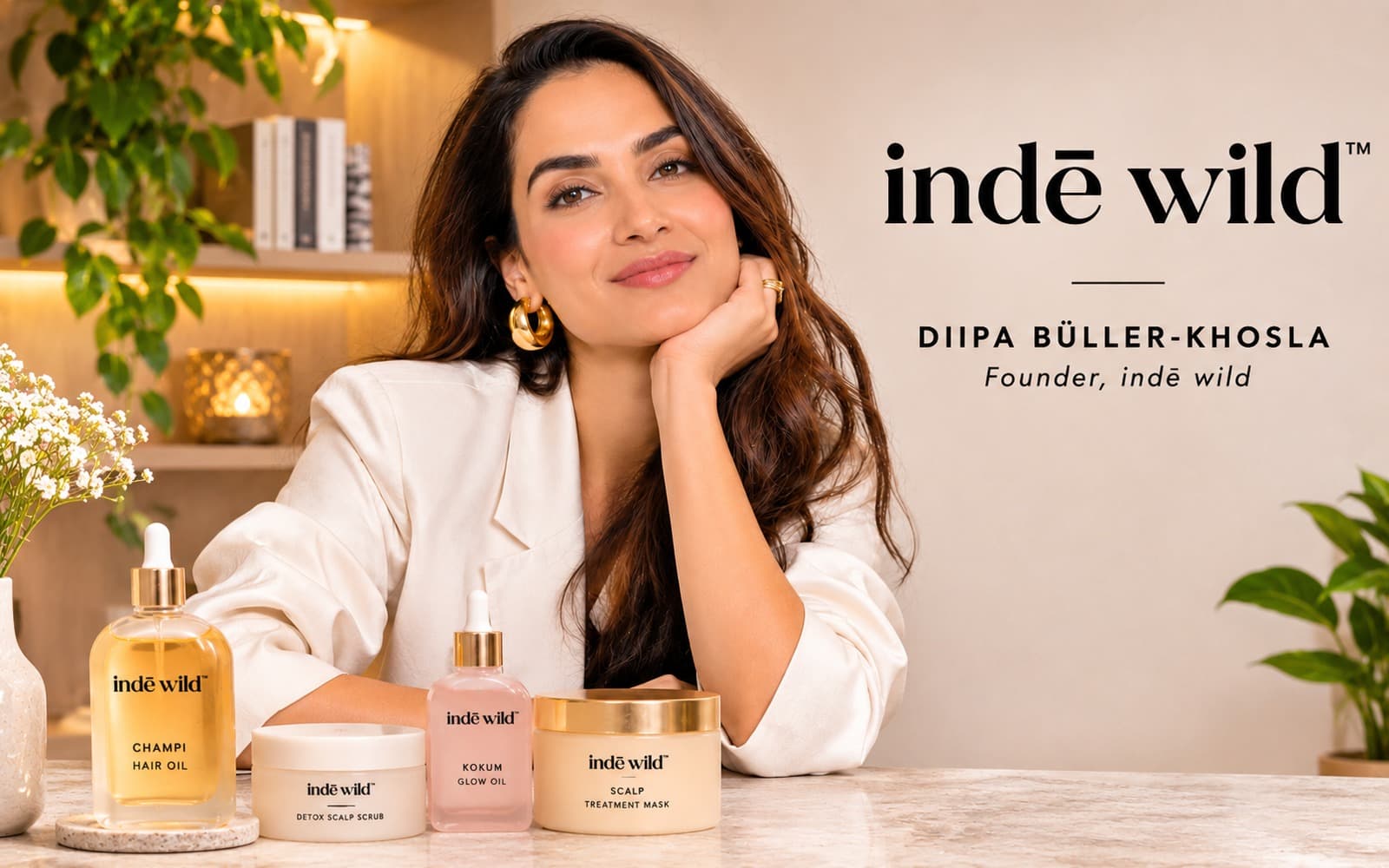
Diipa Büller-Khosla: How an Indian Beauty Creator Turned Ancient Ayurvedic Rituals into a Global Beauty Brand – indē wild
From Indian beauty traditions to the shelves of Sephora: the story of a creator who turned cultural heritage, personal struggles and a powerful online community into an international beauty business.
Read story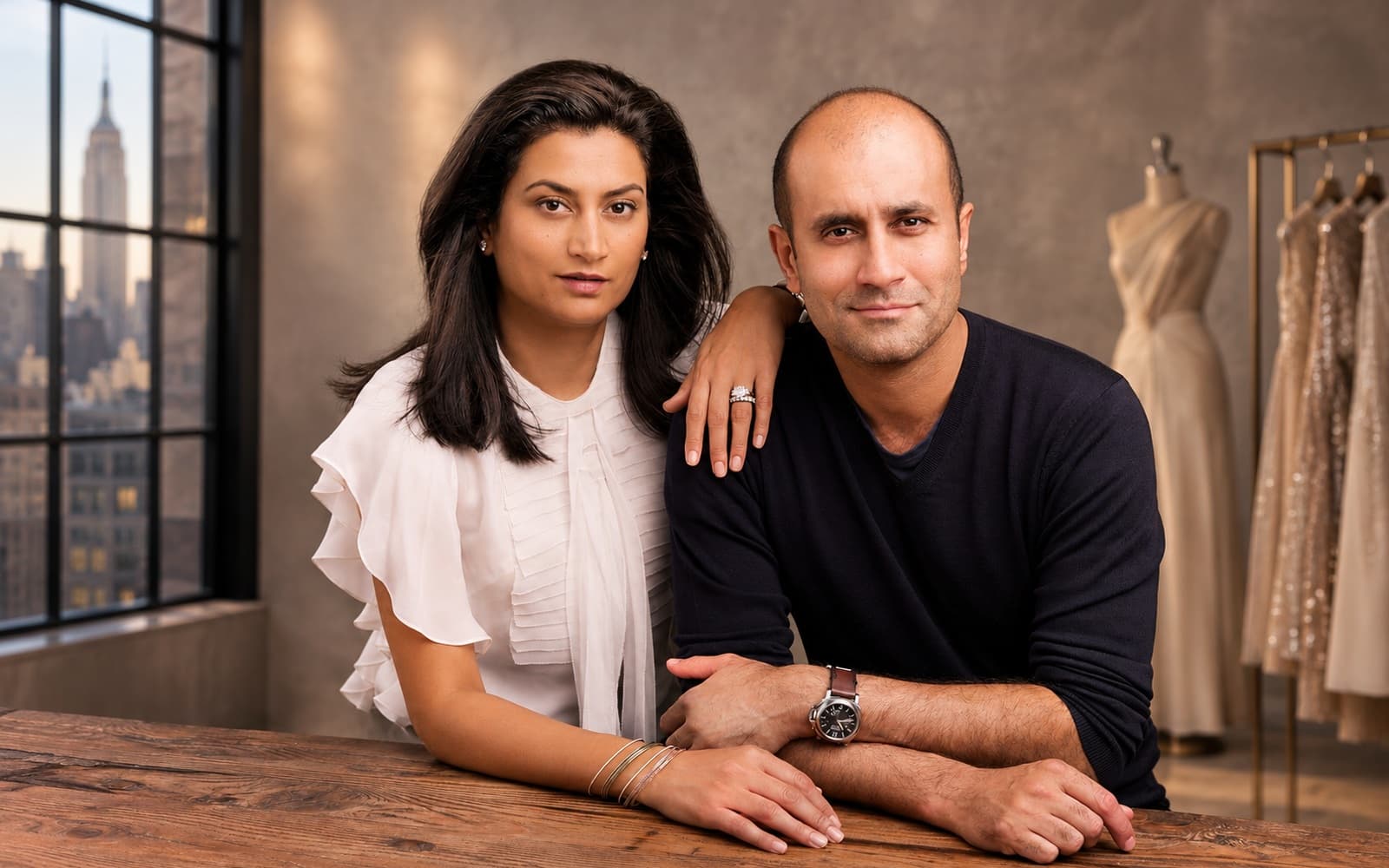
Sachin and Babi Ahluwalia: From India to New York – Building an International Fashion Label
How an Indian designer couple transformed their knowledge of embroidery and textiles into a globally recognised fashion business, bringing the artistry of Indian craftsmanship to the international luxury industry.
Read story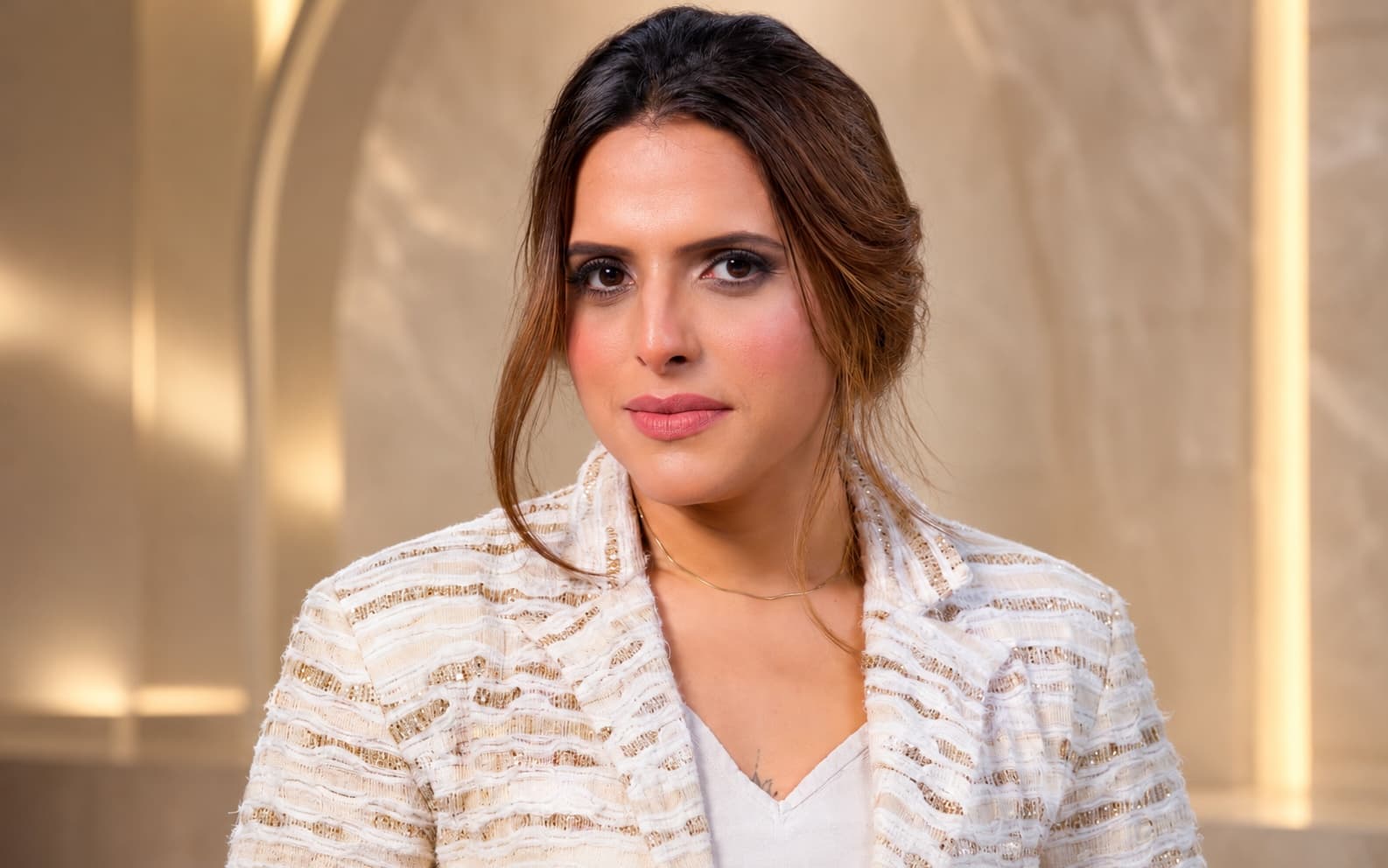
Kashesh Bhatia Garg: From Ahmedabad to Dubai – Building a Luxury Fashion House with a Global Vision
How an Indian fashion entrepreneur transformed her creative beginnings in Ahmedabad into Kashesh Global, a Dubai-based conscious luxury fashion house blending heritage, craftsmanship, sustainability and contemporary design.
Read story