
Diipa Büller-Khosla: How an Indian Beauty Creator Turned Ancient Ayurvedic Rituals into a Global Beauty Brand – indē wild
From Indian beauty traditions to the shelves of Sephora: the story of a creator who turned cultural heritage, personal struggles and a powerful online community into an international beauty business.
In this story13 sections
- 1.1. Before indē wild: Growing Up with Ayurveda and Modern Dermatology
- 2.2. The Personal Struggle That Became a Business Opportunity
- 3.3. The Birth of indē wild: Building a Beauty Brand from India for the World
- 4.4. Ayurvedistry: The Philosophy That Differentiated the Brand
- 5.5. From Skincare to Haircare: Turning a Traditional Indian Ritual into a Hero Product
- 6.6. Building with the Community: Turning Followers into Customers and Product Contributors
- 7.7. Scaling Internationally: From a Digital Beauty Brand to Global Retail
- 8.8. The Funding Story: Turning a Creator-Led Venture into a Scalable Business
- 9.9. The Challenges of Building an International Ayurvedic Beauty Business
- 10.10. Diipa Büller-Khosla's Entrepreneurial Philosophy: More Than an Influencer Brand
- 11.11. The Bigger Vision: Making Indian Beauty a Global Category
- 12.12. What Entrepreneurs Can Learn from Diipa's Journey
- 13.13. The Legacy in Progress: From an Indian Beauty Ritual to a Global Business
For generations, Indian families have relied on Ayurvedic ingredients and traditional beauty rituals to care for their hair and skin. From champi (traditional hair oil massage) to botanical face treatments, these practices have been passed down through families, often without receiving much recognition in the international beauty industry.
Diipa Büller-Khosla saw an opportunity in this gap.
An Indian beauty creator with an international audience, she had spent years sharing fashion, skincare and personal experiences online. But behind the polished photographs was a more personal story: a long struggle with acne, an upbringing influenced by Ayurveda and a growing realisation that global beauty brands were not adequately representing the traditions she had grown up with.
In 2021, she turned that observation into a business.
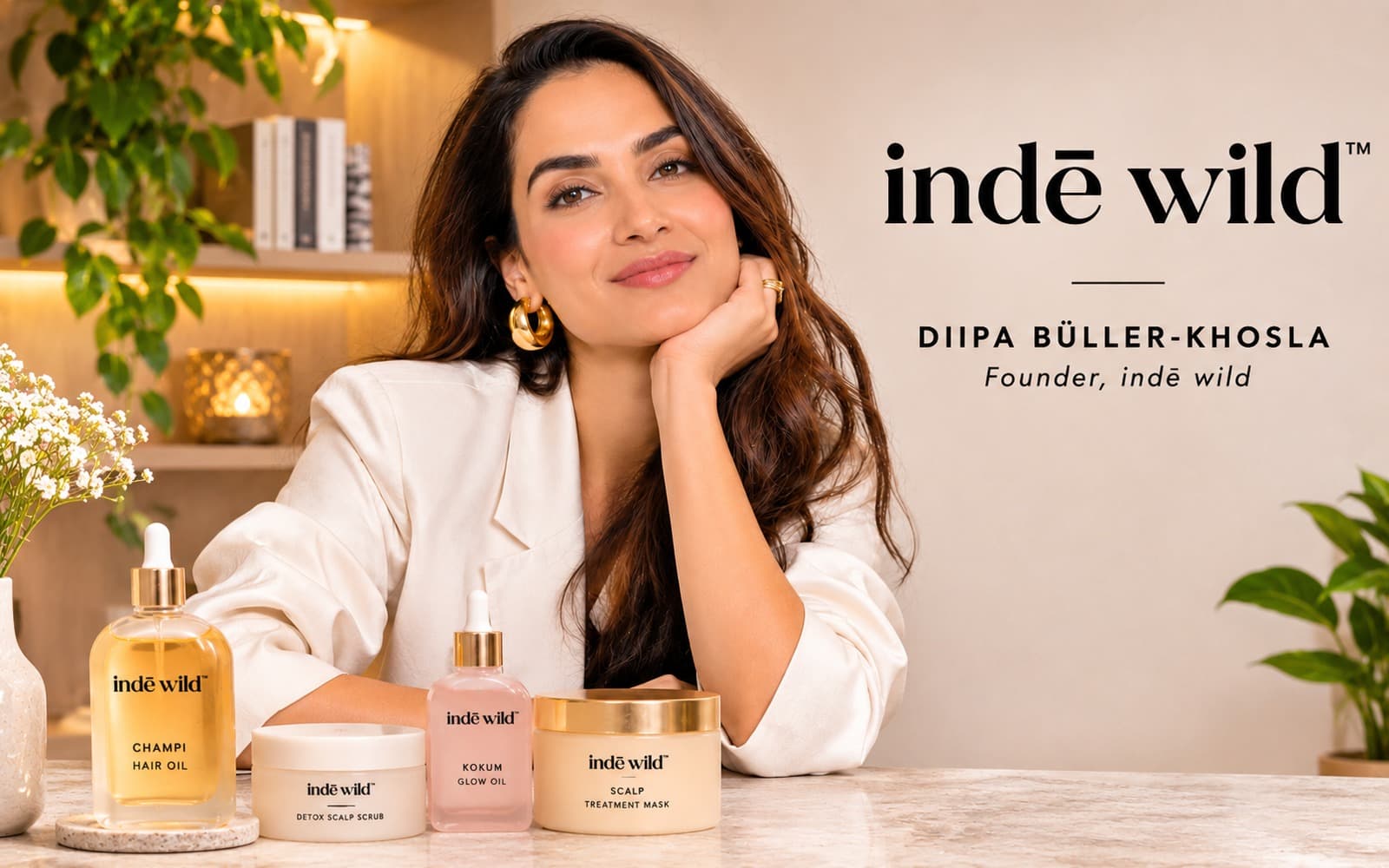
With the launch of indē wild, Diipa set out to bring traditional Indian beauty rituals into contemporary skincare and haircare through a combination of Ayurvedic ingredients, modern dermatology and science-led product development.
What began as a creator-led business idea eventually developed into an international beauty brand, securing investment, entering major retail markets and reaching Sephora in the United States in 2026.
Her journey illustrates how cultural identity, personal storytelling and community-building can become the foundations of a commercially ambitious beauty business.
1. Before indē wild: Growing Up with Ayurveda and Modern Dermatology
Diipa Büller-Khosla's relationship with beauty began at home.
Growing up in an Indian household, she was introduced to traditional beauty and wellness practices through her mother, Dr. Sangitha Khosla, an Ayurvedic doctor and dermatologist.
Her childhood involved an unusual combination of traditional Indian remedies and modern dermatological knowledge.
Ingredients such as ghee, botanical oils and herbal preparations were familiar parts of everyday beauty routines. Hair oiling, scalp massages and natural skincare were not fashionable wellness trends; they were established family traditions.
This exposure gave Diipa an understanding of beauty that went beyond cosmetics and appearance.
She learned to appreciate the connection between skin health, nourishment, ingredients and everyday habits.
Her mother would eventually become an important influence on indē wild's product philosophy, particularly its effort to combine Ayurvedic traditions with contemporary skincare science.
However, Diipa's journey into entrepreneurship was not originally planned.
She pursued international human rights law before building her career as a fashion and beauty content creator. Her education and early professional interests gave her a wider international perspective, while social media introduced her to the commercial potential of digital communities.
As her audience grew, she became increasingly interested in the relationship between beauty, identity and representation.
That combination would eventually shape the business she created.
2. The Personal Struggle That Became a Business Opportunity
One of the most important moments in Diipa's journey came from an experience that many beauty consumers can relate to: acne.
For more than a decade, she struggled with persistent skin problems.
As her social media career developed, she found herself working in an environment where perfect photographs, flawless complexions and carefully edited images were common.
Although her online presence appeared glamorous, her real skin experience was very different.
Eventually, she decided to share unedited photographs of her acne and discuss her struggles openly.
The response was extraordinary.
Her blog post attracted so much attention that her website reportedly crashed. Followers began sharing their own experiences, concerns and frustrations about skin problems.
It was a defining moment in her relationship with her audience.
She realised that people were not simply interested in aspirational beauty content. They wanted honest conversations, practical solutions and brands that understood their actual concerns.
This experience helped her identify a wider opportunity.
She had access to international beauty products, but she felt there was a gap for a brand that combined Indian beauty traditions with modern formulations and addressed the needs of consumers with diverse skin tones.
Rather than treating her personal experience as an isolated problem, she began looking at it as a potential business opportunity.
That thinking became one of the foundations of indē wild.
3. The Birth of indē wild: Building a Beauty Brand from India for the World
The idea behind indē wild developed over several years.
Diipa had worked with numerous international beauty companies and gained first-hand experience of how established brands developed products, communicated with consumers and positioned themselves in competitive markets.
She also understood the value of a loyal digital community.
But she did not want to launch a conventional influencer merchandise line or simply put her name on an existing product.
She wanted to build an independent beauty business with its own product philosophy, research process and identity.
The development process reportedly took around two years.
According to an October 2021 interview with beauty-industry publication Glossy, the original skincare formulations went through extensive testing and revisions, including approximately 43 versions of the morning serum and 21 versions of the evening serum.
The brand officially launched on October 12, 2021, initially with two skincare products:
-
AM Sunrise Glow Serum
-
PM Sunset Restore Serum
The decision to launch with only two products was deliberate.
Instead of immediately introducing a large catalogue, Diipa wanted to focus on carefully developed products designed to address specific skincare needs.
The initial direct-to-consumer launch also allowed the company to establish its positioning and develop relationships with customers before expanding further.
The business was built with the involvement of her husband, Oleg Büller-Khosla, who has been identified in subsequent founder profiles as a co-founder.
The brand's name, indē wild, reflected its ambition to connect contemporary beauty with a more natural, expressive and culturally rooted identity.
4. Ayurvedistry: The Philosophy That Differentiated the Brand
At the centre of indē wild's identity is a concept created by the brand: Ayurvedistry.
The word combines two ideas:
-
Ayurveda – India's traditional system of wellness and herbal knowledge.
-
Chemistry – modern scientific understanding of ingredients, formulation and product performance.
The philosophy was designed to bridge what Diipa believed were two separate worlds in the beauty industry.
On one side were traditional Ayurvedic products, often marketed through natural ingredients and heritage-based practices.
On the other were modern skincare brands focused on dermatology, active ingredients and clinical formulations.
Indē wild wanted to bring these approaches together.
Its philosophy was not to reject modern science in favour of traditional remedies, or to use Ayurveda simply as a marketing theme.
Instead, the brand aimed to develop products inspired by traditional ingredients and rituals while applying contemporary formulation and testing processes.
The original two serums reflected this approach.
AM Sunrise Glow Serum
Designed for daytime use, the serum focused on concerns such as uneven skin tone, acne marks and hyperpigmentation, using ingredients including vitamin C.
PM Sunset Restore Serum
Designed as an evening skincare product, it incorporated ingredients including bakuchiol, a plant-derived alternative commonly used in formulations targeting signs of ageing.
In a July 2022 interview with Vogue India, Diipa explained that the brand had deliberately chosen to start with two multipurpose products rather than overwhelm customers with a large collection.
The concept of Ayurvedistry became more than a product-development philosophy. It gave the company a distinctive market position and a language through which it could explain Indian beauty traditions to international customers.
5. From Skincare to Haircare: Turning a Traditional Indian Ritual into a Hero Product
One of indē wild's most important strategic decisions was its expansion into haircare.
In Indian households, champi – the traditional practice of massaging the scalp and hair with oil – has long been associated with nourishment, relaxation and family bonding.
For many people, it is also an emotional connection to childhood, mothers and grandmothers.
Diipa recognised that this familiar ritual had significant potential in international beauty markets.
The brand introduced Champi Hair Oil, drawing inspiration from a traditional family recipe associated with her mother.
The product was designed to make traditional Indian hair oiling more accessible to modern consumers, combining botanical ingredients with a contemporary product format.
Its significance was not just functional.
It introduced an international audience to an Indian beauty practice that had existed for generations but had not received comparable visibility on premium global beauty shelves.
The product became one of indē wild's signature offerings and an important part of its international growth story.
In 2026, Diipa explained that the formulation was inspired by an oil her family had traditionally made using flowers from temple gardens. The brand worked to translate that heritage into a contemporary formulation and a more convenient application experience.
The Champi Hair Oil success also revealed something important about the business.
Customers were not simply buying another hair oil. They were responding to a product connected to cultural memory, traditional self-care and a distinctive origin story.
It demonstrated how an everyday Indian ritual could be repositioned as a premium beauty experience without losing its cultural significance.
6. Building with the Community: Turning Followers into Customers and Product Contributors
A significant advantage Diipa brought to indē wild was her existing digital community.
But she understood that having millions of followers did not automatically guarantee a sustainable business.
The challenge was converting attention into trust, and trust into repeat purchases.
The company therefore placed considerable emphasis on involving consumers in product development and brand decisions.
Before its original launch, the team conducted 16 focus groups and six surveys, involving thousands of participants, according to Diipa's interview with Vogue India in 2022.
The purpose was to understand customer concerns, product expectations and gaps in the existing beauty market.
The same philosophy continued as the business expanded.
Indē wild has used several channels to gather consumer feedback:
-
Social media conversations and direct messages.
-
WhatsApp groups and customer communities.
-
Surveys and product polls.
-
Feedback on existing products.
-
Discussions about unmet skincare and haircare needs.
This helped the brand understand which products customers wanted next, rather than relying exclusively on internal assumptions.
A particularly interesting example was the development of shampoo and conditioner following customer requests for products that could complement the brand's popular Champi Hair Oil.
The company described a product-development process involving formulation workshops, stability testing and clinical testing.
This community-first strategy helped differentiate indē wild from businesses that use influencer reach primarily as an advertising channel.
Diipa was using her audience not only to market products but also to understand the market itself.
7. Scaling Internationally: From a Digital Beauty Brand to Global Retail
Indē wild's international ambition was visible from the beginning.
Rather than treating India as its only target market, the company developed a brand identity intended to appeal to consumers across countries.
In July 2022, Vogue India reported that indē wild had launched in the United States, United Kingdom, Canada and India within approximately eight months of its debut.
This was a notable achievement for a young Indian-origin beauty business.
The company subsequently expanded its distribution through beauty retailers and online channels.
Its major international milestones included:
2021 – The launch
Indē wild launched online in October 2021 with its initial skincare products.
2022 – Expansion into India and international markets
The company developed its presence across the United States, United Kingdom, Canada and India.
2024 – Sephora UK
Indē wild entered Sephora UK, bringing its Indian-inspired skincare and beauty philosophy into a major international prestige retail environment.
2025 – Strategic investment and expansion
The company secured a $5 million seed-extension funding round led by Unilever Ventures, with participation from investors including SoGal Ventures and True Global Ventures.
2026 – Sephora USA
In March 2026, indē wild entered Sephora's US retail network, with its products becoming available through Sephora.com and 178 physical stores.
Fashionista described it as the first homegrown Indian brand to enter Sephora US. This milestone gave the company an important platform for introducing Indian beauty traditions to a much wider American audience.
The Sephora US launch was more than a distribution achievement.
For Diipa, it represented the possibility of placing Indian beauty traditions alongside internationally recognised beauty categories and brands.
It also demonstrated that a brand developed around cultural heritage could compete in a sophisticated global retail environment.
8. The Funding Story: Turning a Creator-Led Venture into a Scalable Business
The transition from a digital creator to a beauty entrepreneur required more than a strong social media following.
As indē wild expanded, it needed investment in product development, manufacturing, inventory, marketing, technology, regulatory compliance and international distribution.
A major milestone came in March 2025, when the company secured a $5 million seed-extension funding round led by Unilever Ventures.
The investment was significant because it brought institutional backing to a business built around a distinctly Indian beauty proposition.
The funding also supported the company's ambition to strengthen its international distribution and scale its operations.
By the time the company prepared for its US Sephora launch in 2026, its growth story had become increasingly compelling.
A February 2026 Forbes report stated that indē wild had reached approximately $12 million in global annual recurring revenue in 2025 and had recorded 677% quarter-on-quarter revenue growth during that year, according to figures shared by the founder.
The company projected global annual recurring revenue of $20 million by the end of 2026. This was a forward-looking target, not a confirmed financial result.
These figures illustrate the commercial potential of a beauty business built around a clear product philosophy and international positioning.
They also highlight an important distinction: influencer visibility may help a brand get noticed, but sustainable growth requires strong products, operational capabilities, customer retention and distribution.
9. The Challenges of Building an International Ayurvedic Beauty Business
Indē wild's growth was not without challenges.
Building a beauty brand that draws on traditional ingredients while competing with modern skincare companies requires a complex combination of research, formulation, compliance and brand education.
Several challenges stand out from the company's journey.
Turning traditional knowledge into modern formulations
Ayurvedic ingredients and traditional rituals have long histories, but translating them into consistent commercial products requires careful formulation, ingredient selection and testing.
The company needed to ensure that its products met contemporary consumer expectations rather than relying solely on heritage-based marketing.
Building trust beyond influencer recognition
Consumers may initially discover a brand because of its founder's popularity. However, they continue purchasing only when products meet their expectations.
Diipa recognised the importance of building a business that could stand independently of her social media presence.
Managing international regulations
Entering new countries means adapting product labels, claims, ingredients and compliance processes to different regulatory requirements.
The 2026 US expansion required additional work on packaging, supply chains, fulfilment and regulatory readiness.
Scaling without losing cultural identity
One of the biggest challenges for an Indian-origin brand entering international retail is maintaining authenticity while making products accessible to different consumer groups.
Indē wild needed to explain Indian beauty traditions in a way that international customers could understand without reducing Ayurveda to a marketing trend.
Balancing growth with business discipline
The founder has increasingly emphasised the importance of product quality, repeat customers, profitability and operational discipline rather than focusing only on social media engagement or rapid expansion.
These challenges reflect the realities of building a modern international beauty business, particularly one that wants to combine heritage with science.
10. Diipa Büller-Khosla's Entrepreneurial Philosophy: More Than an Influencer Brand
One of the most important lessons from Diipa's journey is her understanding that a creator-led business cannot depend entirely on its founder's popularity.
Her social media following gave indē wild an initial advantage, but she recognised that long-term success would require something more substantial.
In a February 2026 interview with ET Retail, she highlighted three essential foundations for building a scalable creator-led business:
-
A differentiated product: The brand must offer something customers genuinely want.
-
A deep understanding of consumers: Product development should address real problems rather than follow temporary trends.
-
A scalable business model: Operations, distribution, profitability and customer retention must support long-term growth.
She has also emphasised repeat customers as an important measure of whether consumers genuinely value a product.
This philosophy reflects her transition from content creator to business leader.
Instead of treating social media as the entire business, she uses it as one part of a wider commercial strategy involving product development, community engagement and international retail.
Her ambition is not simply to become a successful beauty influencer with her own product line. It is to build a global beauty company from India.
11. The Bigger Vision: Making Indian Beauty a Global Category
For decades, international beauty conversations have been strongly influenced by established European, American, Japanese and Korean brands.
K-beauty and J-beauty have demonstrated how a country's cultural identity, ingredients and beauty traditions can become internationally recognised consumer categories.
Diipa sees an opportunity for Indian beauty to achieve similar global recognition.
India has an extensive heritage of botanical ingredients, traditional skincare practices, haircare rituals and wellness knowledge.
Yet much of this knowledge has historically remained within local markets or been presented through fragmented product categories.
Indē wild's ambition is to bring these traditions into contemporary global beauty retail.
Its approach is not limited to introducing traditional ingredients to international customers. It aims to create modern formulations, appealing product experiences and a distinctive brand identity around Indian heritage.
The 2026 Sephora US launch was an important step towards that ambition.
In September 2026, Diipa described the experience of seeing thousands of people gather for the brand's New York launch and the rapid sell-out of products, particularly Champi Hair Oil. The event illustrated the emotional connection that Indian beauty rituals could create with a much wider international audience.
Her broader vision is to establish Indian beauty as a meaningful part of the international beauty industry, rather than simply a niche inspired by traditional ingredients.
12. What Entrepreneurs Can Learn from Diipa's Journey
Diipa Büller-Khosla's entrepreneurial story offers several practical lessons for founders, particularly those building consumer brands in competitive international markets.
1. Turn personal experiences into business opportunities
Diipa's struggle with acne helped her understand an underserved consumer need. Her personal experience became the starting point for a wider business idea.
2. Use cultural heritage as a competitive advantage
Indian beauty rituals were already familiar to Diipa. Instead of treating them as outdated practices, she recognised their potential to become modern consumer products.
3. Do not confuse followers with customers
A large social media audience can create awareness, but product quality and customer satisfaction determine whether a business can survive beyond its launch.
4. Invest in product development
The extensive testing of indē wild's original serums demonstrates why a strong product requires time, research and iteration.
5. Build with customers, not just for customers
The brand's focus groups, surveys and community feedback helped it understand consumer needs and identify opportunities for new products.
6. Build an international vision from the beginning
Indē wild developed its brand positioning with international consumers in mind, rather than waiting until it became established in one market.
7. Combine heritage with innovation
Traditional knowledge can inspire product differentiation, but modern formulation, testing, regulatory compliance and operational capabilities are essential for commercial success.
8. Develop a business that can operate beyond the founder
Diipa's evolution from creator to entrepreneur illustrates the importance of building teams, systems, products and distribution channels that do not depend exclusively on the founder's personal visibility.
13. The Legacy in Progress: From an Indian Beauty Ritual to a Global Business
Diipa Büller-Khosla's journey is an example of how a founder can transform personal experiences and cultural heritage into a commercially relevant international business.
She began with an online audience, a personal skincare story and an upbringing shaped by traditional Indian beauty practices.
But she recognised that the opportunity was much bigger than launching another skincare line.
She wanted to build a brand that could introduce Indian beauty rituals to a global audience through contemporary formulations, modern packaging and an international retail strategy.
With indē wild, she brought together three powerful elements: cultural identity, community and commercial ambition.
The brand's expansion from an online launch in 2021 to Sephora US in 2026 demonstrates how an Indian-origin beauty business can move beyond its initial audience and compete in international markets.
Her story also challenges the assumption that global beauty brands must originate from established Western markets.
Sometimes, the next international beauty opportunity comes from a tradition that has existed for thousands of years but has not yet been presented to the world in the right way.
For Diipa, that opportunity was Indian beauty.
And with indē wild, she is working to give it a place on the global beauty stage.
More Fashion & Apparel stories
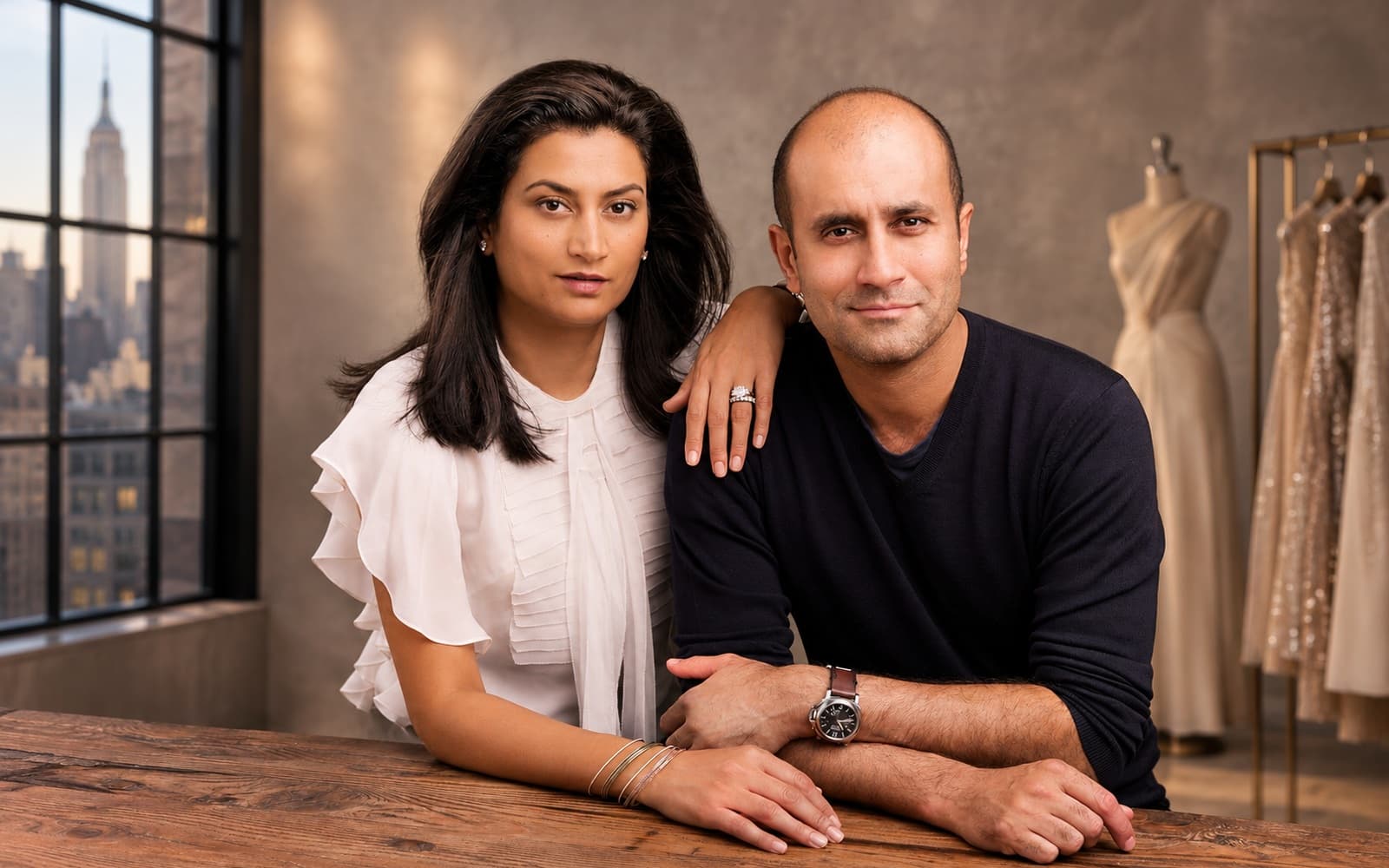
Sachin and Babi Ahluwalia: From India to New York – Building an International Fashion Label
How an Indian designer couple transformed their knowledge of embroidery and textiles into a globally recognised fashion business, bringing the artistry of Indian craftsmanship to the international luxury industry.
Read story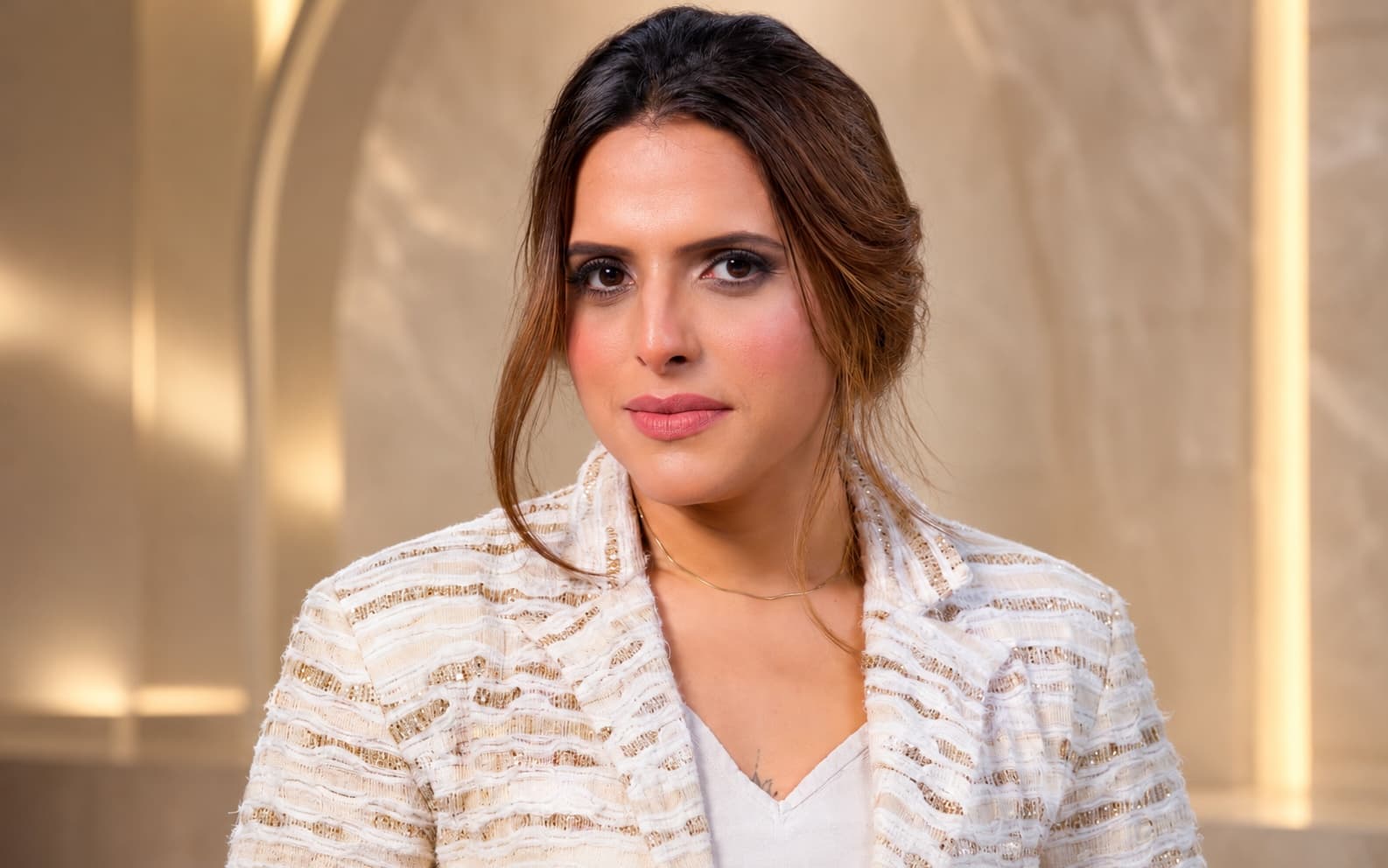
Kashesh Bhatia Garg: From Ahmedabad to Dubai – Building a Luxury Fashion House with a Global Vision
How an Indian fashion entrepreneur transformed her creative beginnings in Ahmedabad into Kashesh Global, a Dubai-based conscious luxury fashion house blending heritage, craftsmanship, sustainability and contemporary design.
Read story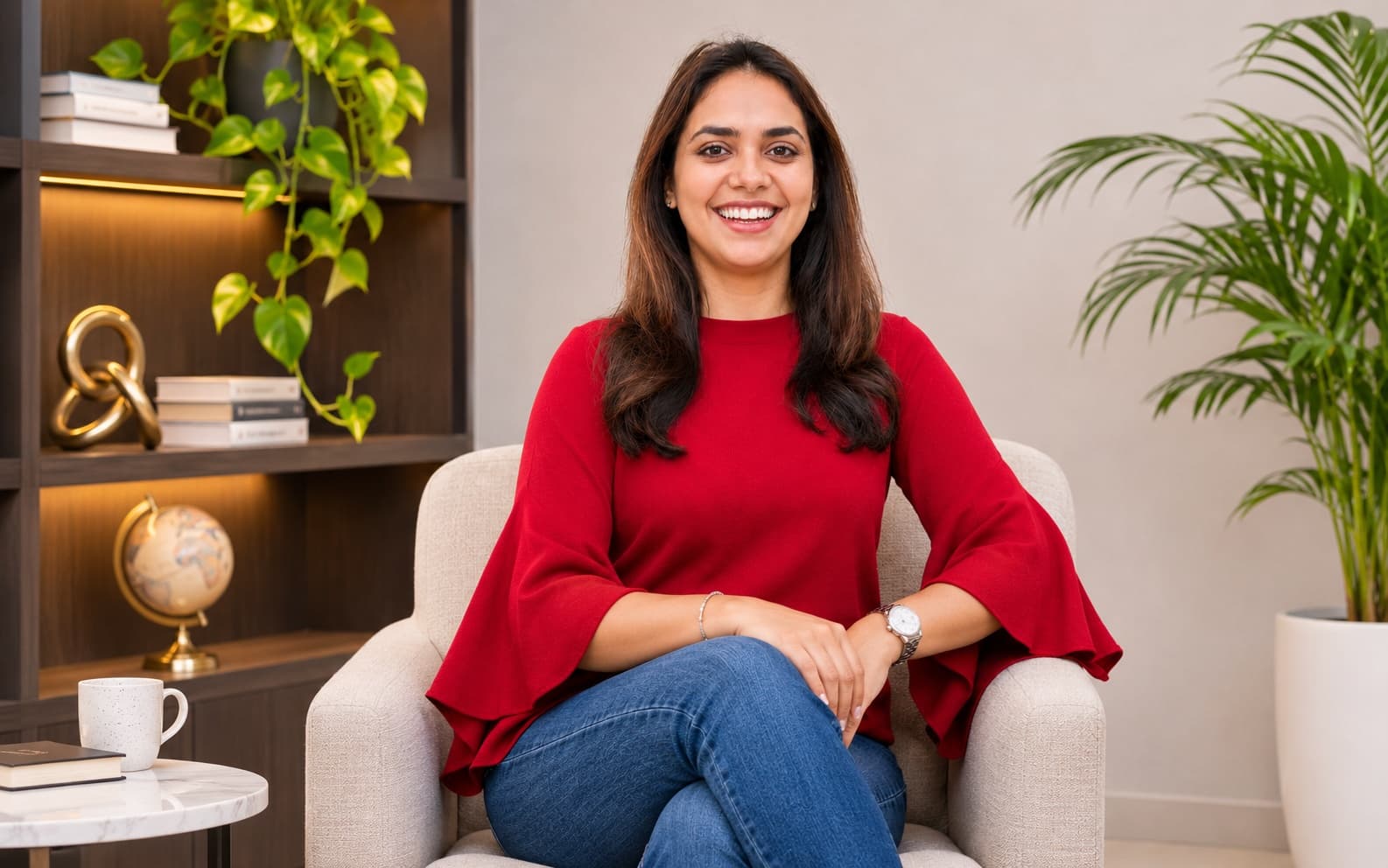
Nimita Sanwal: From a Small Lingerie Wholesale Business to Building Snazzyway, India's Manufacturer-Led Dropshipping Ecosystem
How a woman entrepreneur transformed a small business idea into a fashion manufacturing company, built a network of thousands of resellers and created a technology platform to help entrepreneurs launch and scale online businesses.
Read story