
From Family Textile Business to Fashion Success: How Sidhant Keshwani Built Libas into a Leading Indian Fashion Brand
Discover how Sidhant Keshwani built Libas, transforming his family’s textile business into a leading Indian ethnic-wear fashion brand through contemporary designs, digital retail, and a customer-focused approach.

In this story5 sections
Category: Fashion & Apparel
Reading time: 5 min
At 21, Sidhant Keshwani entered his family's textile business with a background in economics and an interest in building something of his own. What followed was a journey that helped transform Libas into a prominent name in India's ethnic-wear market.
Finding an Opportunity in Indian Fashion
Sidhant grew up around apparel manufacturing, fabrics, and the workings of the textile industry. After studying economics at the University of Manchester, he returned to India and became involved in the family business.
Rather than treating the existing business as something to maintain, he saw an opportunity to build a contemporary fashion brand for Indian consumers. Libas became the vehicle for that ambition.
Building a Modern Ethnic-Wear Brand
Libas operates in the women's ethnic-wear segment, offering fashion that combines traditional Indian styles with contemporary designs. The brand's growth reflects the opportunity created by online shopping, changing consumer preferences, and the demand for fashionable clothing at accessible prices.
Sidhant's approach involved bringing together product development, manufacturing, merchandising, and digital retail. These capabilities helped the business compete in a fast-moving market where customers expect fresh designs and convenient shopping experiences.
Scaling Beyond an Online Store
Libas grew beyond its early business roots into a large fashion operation. According to Open, the brand reported an annual revenue run rate of ₹1,000 crore, as claimed by the company. The publication also reported revenue of ₹609.1 crore for FY2025, compared with ₹486.5 crore in FY2024, citing Inc42.
These figures illustrate the scale the business achieved, while also highlighting the financial challenges that can accompany expansion. Growth in fashion requires more than sales: inventory, operating costs, distribution, and profitability all need careful management.
Lessons for Young Entrepreneurs
Sidhant Keshwani's journey offers several lessons for people looking to build businesses of their own:
-
Look for opportunities in familiar industries. Understanding an existing market can reveal gaps worth pursuing.
-
Build around customer needs. Product selection and design need to reflect what customers actually want.
-
Combine traditional strengths with digital channels. Manufacturing and supply-chain knowledge can complement online retail.
-
Grow with financial discipline. Expansion should be supported by sustainable operations, not revenue growth alone.
The Takeaway
Building a fashion brand requires a combination of product understanding, operational execution, customer insight, and long-term commitment. Sidhant Keshwani's experience with Libas shows how an established textile-business foundation can be developed into a contemporary fashion enterprise.
His story is a useful example for aspiring entrepreneurs who want to understand how businesses evolve from manufacturing roots into recognised consumer brands.
More Fashion & Apparel stories

Snazzyway Dropshipping Success Story: How an Indian Lingerie Manufacturer Is Helping Entrepreneurs Build Online Fashion Businesses
Learn how Snazzyway Dropshipping combines women's apparel manufacturing, a broad product catalogue, e-commerce integrations, and white-label fulfilment to support entrepreneurs building online fashion businesses.
Read story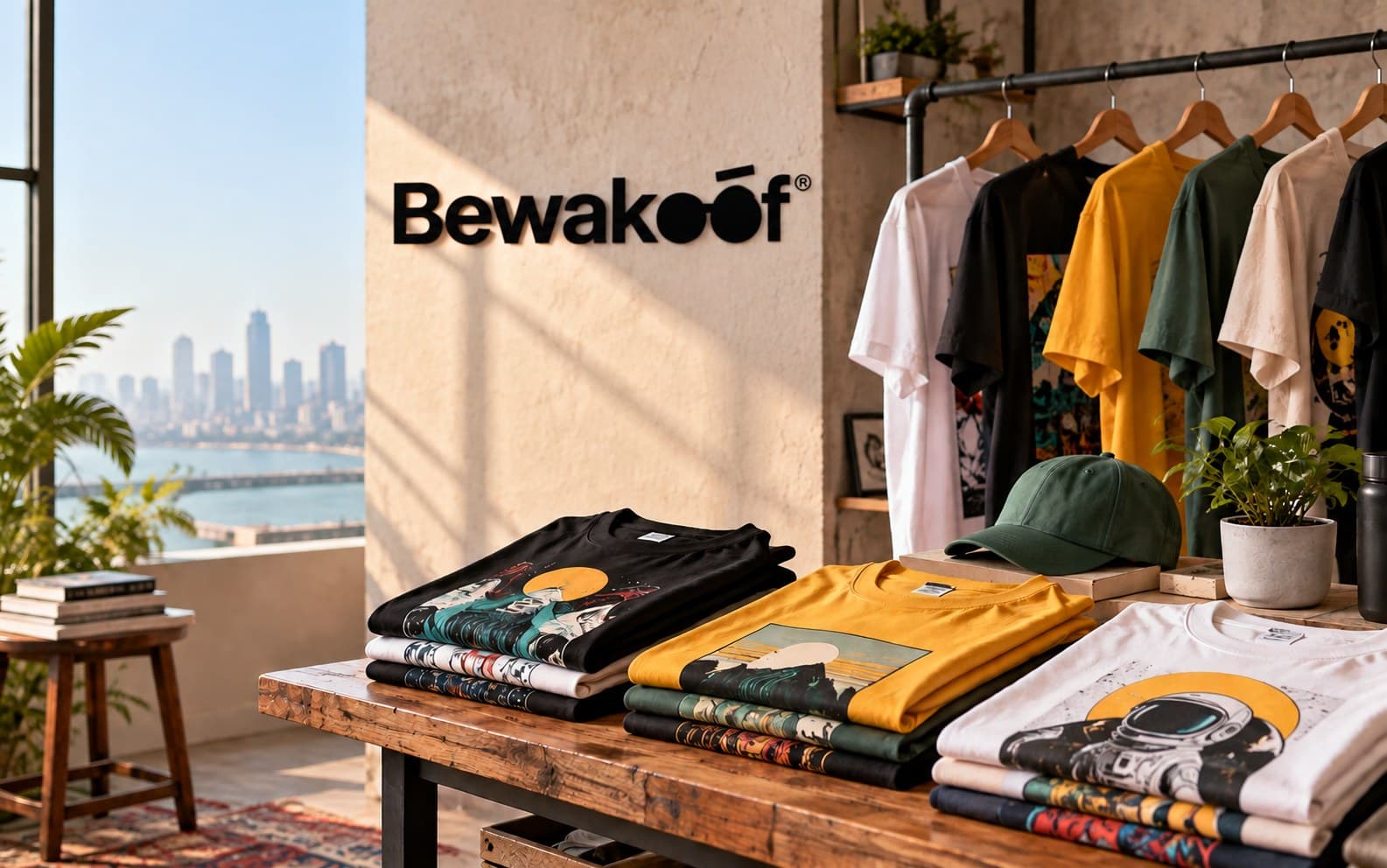
How Bewakoof Built an Online Fashion Brand for Young Indians
A founder story about Prabhkiran Singh, youth culture, direct-to-consumer commerce, and the difficult business of turning a popular brand into a sustainable company.
Read story