
From a Home-Based Venture to the Fashion Runway: How Deven Hurku Built Get Elevated
Discover how Durban-based designer Deven Hurku built Get Elevated from a home-based venture into a fashion label showcased internationally, celebrating the fusion of Indian and African heritage.
In this story7 sections
- 1.Building a fashion business from home
- 2.Creating an identity through Afro-Indo fashion
- 3.Taking Get Elevated to the international runway
- 4.Designing for women and changing customer needs
- 5.The role of persistence in entrepreneurship
- 6.Lessons entrepreneurs can learn from Deven Hurku
- 7.A creative business rooted in heritage
For some entrepreneurs, a business begins with a market opportunity. For others, it begins with a passion that stays with them for years before becoming a profession.
For Deven Hurku, fashion was an interest from childhood. On her official website, she recalls sketching garments in the backs of her school exercise books and experimenting with sewing using fabric and household textiles. Her grandmother, who enjoyed sewing as a hobby, helped introduce her to the craft.
Those early experiments did not always go according to plan, but they encouraged her to keep learning. After completing school, Hurku studied fashion design and began developing the skills needed to turn her creative interests into a career.
Based in Durban, KwaZulu-Natal, she went on to spend decades working in the fashion industry, building experience in garment construction, design, and business.
Her journey demonstrates that creative entrepreneurship is often a long process of learning, practice, and persistence rather than an overnight success.
Building a fashion business from home
Before Get Elevated became an established label, Hurku operated on a much smaller scale.
In an interview with The Post in 2019, she described starting her business from home with limited resources. For years, she worked to establish herself in a competitive industry where gaining recognition, developing customers, and creating a sustainable business required continued effort.
The transition from an individual designer working from home to a business with its own boutique did not happen immediately. It followed years of experience, investment in her craft, and determination to develop her own identity in fashion.
Hurku eventually registered her company name and formally launched Get Elevated, creating a dedicated identity for her designs.
A significant milestone came through an opportunity provided by the KwaZulu-Natal Fashion Council. Her label gained exposure at Africa Fashion Exchange in 2018, helping introduce her work to a broader fashion audience.
For an independent designer, such platforms can provide more than visibility. They create opportunities to connect with industry professionals, demonstrate creative ability, and build credibility beyond an existing customer base.
Creating an identity through Afro-Indo fashion
One of the defining characteristics of Get Elevated is its combination of Indian and African influences.
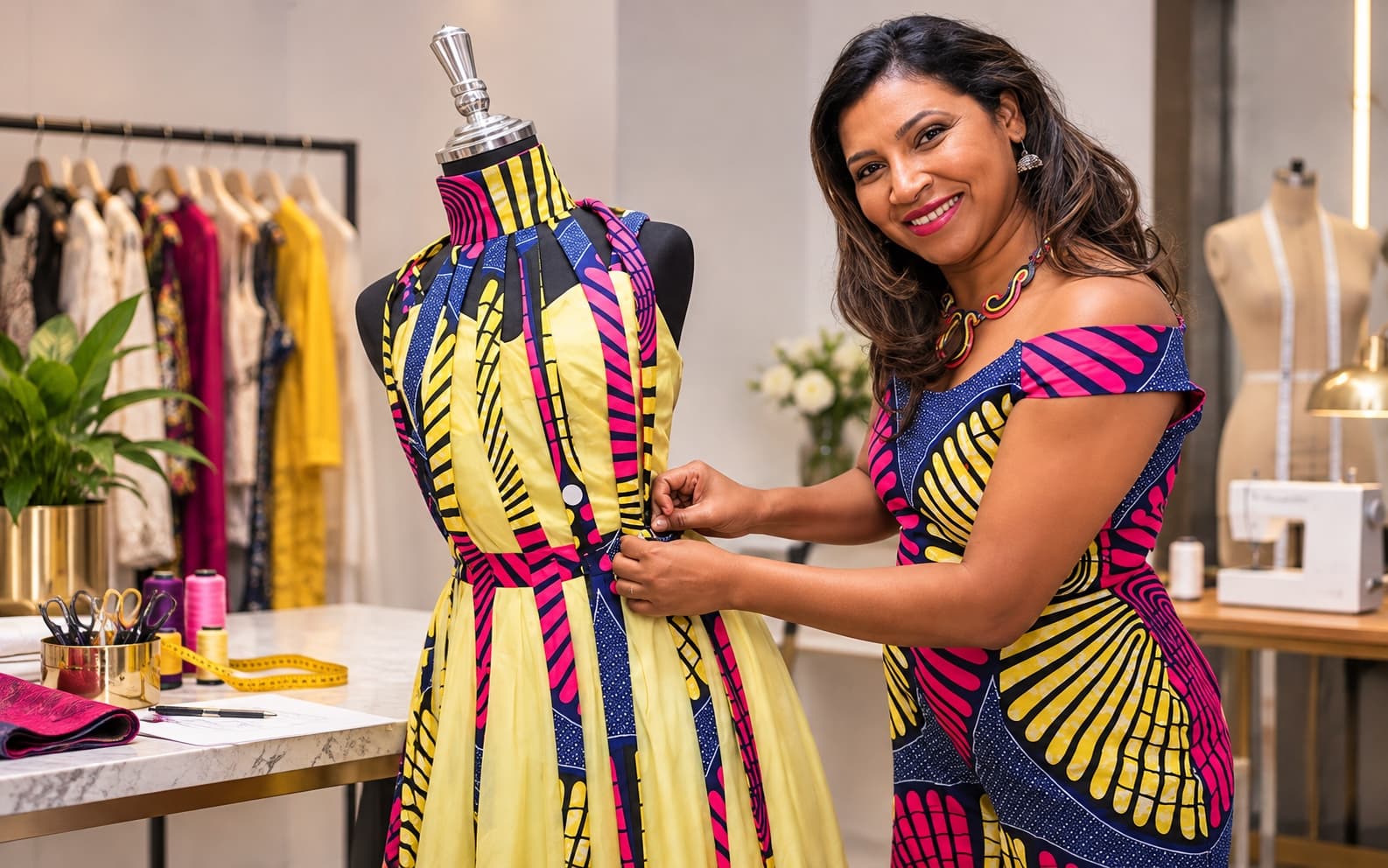
As a South African Indian designer, Hurku draws inspiration from her heritage and the cultural diversity of the society in which she lives. Her designs combine traditional influences with contemporary styling, creating garments intended to feel distinctive while remaining wearable.
Her work has incorporated vibrant colours, eclectic patterns, and elements of avant-garde and couture fashion. Influences from Western fashion also contribute to the label's varied aesthetic.
This fusion is not simply a design choice. It reflects Hurku's personal identity and the cultural environment of Durban, a city with a long-established Indian community and a rich mixture of artistic and cultural traditions.
In a fashion industry where designers frequently seek a recognisable signature, her Afro-Indo approach gives Get Elevated a clear creative direction.
It also creates an opportunity to introduce audiences to the connections between different cultural traditions through clothing.
Taking Get Elevated to the international runway
A major breakthrough arrived in 2019, when Hurku was selected as one of 12 South African designers to represent the country at Africa Fashion Week London. According to contemporary reporting by The Post, she was the only Indian designer from KwaZulu-Natal selected for that year's event.
The opportunity represented a significant milestone after years of developing her business.
Presenting a collection internationally can expose a designer to new audiences and demonstrate how locally developed creative work can participate in a global industry.
For Hurku, the London showcase also brought personal recognition. She spoke publicly about the confidence the opportunity gave her and encouraged other aspiring entrepreneurs not to abandon their ambitions.
Her international exposure continued in later years. In 2023, Northglen News reported that Get Elevated had again been selected for Africa Fashion Week London through Trade and Investment KwaZulu-Natal. Hurku also received an opportunity to participate in Australia's Global Sourcing Expo footwear and accessories event.
These milestones illustrate how regional industry support and international platforms can help independent designers reach beyond their immediate markets.
Designing for women and changing customer needs
Fashion is both a creative industry and a commercial business. Designers must balance originality with the practical needs of the people who wear their clothes.
Hurku has spoken about the importance of versatility and affordability in contemporary fashion. As customer preferences and economic conditions change, consumers increasingly consider how comfortably and frequently they can wear a garment, rather than focusing only on its appearance.
This presents an important challenge for independent labels: creating distinctive designs while remaining attentive to customers' budgets, preferences, and lifestyles.
Get Elevated's mix of contemporary styling and traditional influences provides a framework for addressing different occasions and personal tastes.
For a founder managing a fashion business, this balance between creative expression and customer expectations is an essential part of building a sustainable label.
The role of persistence in entrepreneurship
Hurku's journey offers a useful perspective on the time required to develop a creative business.
In her 2019 interview, she reflected on the many years it had taken to establish her label and reach an international fashion platform. Her experience illustrates the difference between having a talent and building a business around it.
A designer must develop technical skills, establish a customer base, manage production, promote collections, and identify opportunities for growth. Each stage requires a different combination of creative and commercial capabilities.
Starting from home with limited resources can make that process more demanding, but it can also provide a foundation for gradual growth.
Hurku's progress shows why consistency matters in industries where reputation and recognition often take years to develop.
Lessons entrepreneurs can learn from Deven Hurku
1. Turn a long-standing passion into a practical skill. Hurku's interest in fashion began in childhood, but studying design and building industry experience helped her develop it into a profession.
2. Start with the resources available. Her early home-based operation allowed her to begin building a business without first establishing a large retail presence.
3. Develop a distinctive identity. Get Elevated's combination of Indian and African influences gives the label a recognisable creative direction.
4. Use industry opportunities strategically. Showcases and fashion events helped introduce her work to wider audiences and opened doors to international platforms.
5. Keep customers at the centre of the business. Creative ambition must be balanced with affordability, versatility, comfort, and the needs of the intended audience.
A creative business rooted in heritage
Deven Hurku's story is one of gradual progress, from sketching clothes as a young girl to developing a fashion label with international exposure.
Through Get Elevated, she has built a business around a personal passion while expressing the cultural influences that shape her identity as a South African Indian designer.
Her journey also highlights the value of local creative ecosystems. Support from fashion organisations and trade-promotion bodies helped connect her work with opportunities beyond Durban.
For aspiring designers and entrepreneurs, her experience is a reminder that building a recognised brand takes time. A combination of persistence, creative differentiation, customer awareness, and the willingness to pursue new opportunities can help a small venture move towards a wider stage.
More Fashion & Apparel stories
From Wedding Shopping in London to a Global Fashion Destination: How Aashni Shah Built Aashni + Co
Discover how Aashni Shah transformed a personal shopping challenge into Aashni + Co, a luxury fashion business connecting Indian designers with customers across international markets through curated collections, physical retail, and e-commerce.
Read story
From Fashion Editorial to Global E-commerce: How Nisha Kanabar Built Industrie Africa into an International Fashion Platform
Discover how Nisha Kanabar transformed her vision for African fashion into Industrie Africa, a platform connecting emerging designers with international audiences through storytelling, curation, and digital commerce.
Read story
From Online Fashion Store to Bridal Fashion Destination: How Aisha Rawji Built Kynah into a Leading Indian Designer Wear Brand in America
Discover how Aisha Rawji transformed her passion for Indian fashion into Kynah, a US-based fashion business connecting South Asian designers with modern brides and customers through e-commerce, personalised bridal services, and curated retail experiences.
Read story